
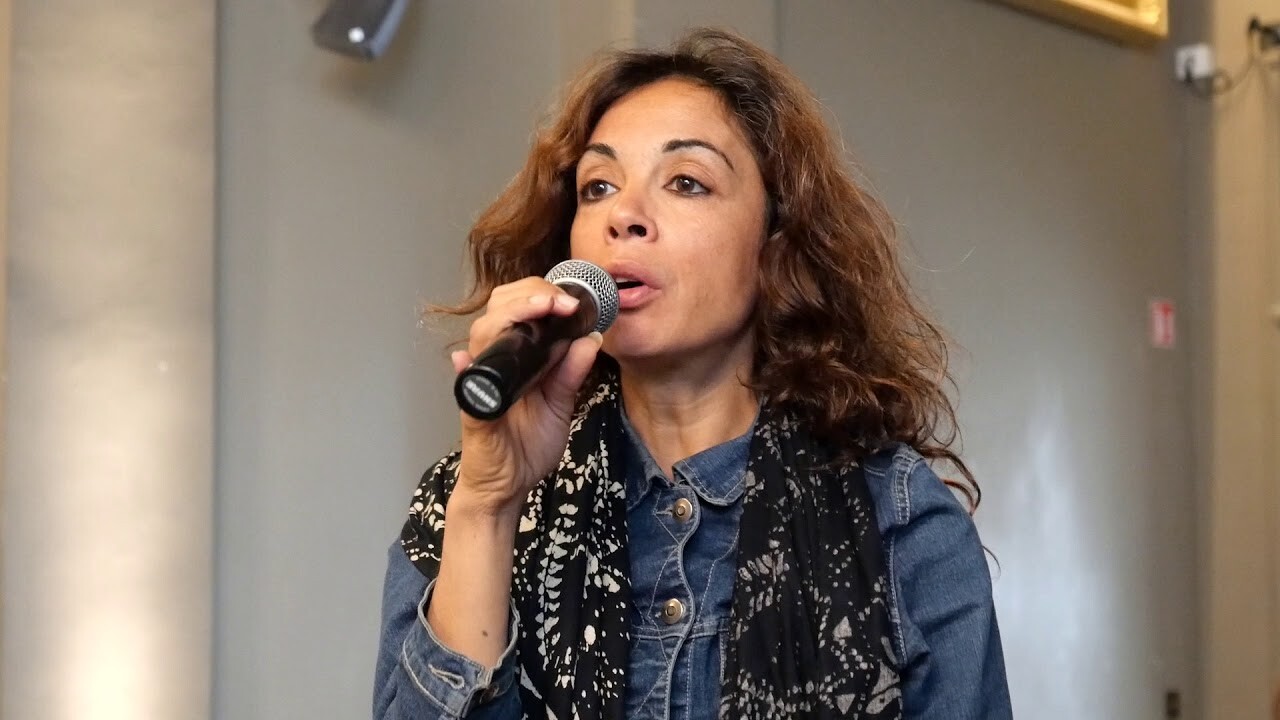
Author: Noura MEBTOUCHE
Abstract
Respect for human rights is fundamental to maintaining peace where it already exists, but also to attempting to restore it in places where it has broken down. But what exactly is the concept of human rights? The sources are numerous, whether international, emanating from institutions like the European Union, or national. This concept, however, cannot be defined by cultural distinctions. Basic human rights are, of course, universal, inherent to cultural relativism, which brings countries closer together. France, the birthplace of the idea of these inalienable rights, thanks to its Declaration of the Rights of Man and of the Citizen proclaimed in 1789, is well aware of what this entails and aims to promote their dissemination throughout the world. The United Nations took up the mantle in 1948 by adopting the Universal Declaration of Human Rights. However, to ensure respect for these rights, the institutional mechanisms needed to establish a form of «primacy of international law» are lacking. This would allow international law to be binding on member states not only as signatories, as is currently the case, but also by being integrated into national laws, between the constitution and ordinary legislation, within the hierarchy of legal rules. This tool is currently missing for the law to play its role as a «regulator of social and economic relations» between states, as well as within states themselves.
Keywords: Human Rights, International Law, Peace, European Union, Cultural Relativism, France, Declaration of the Rights of Man and of the Citizen of 1789, United Nations Organization, Universal Declaration of Human Rights of 1948, Primacy, Regulation, Hierarchy of Norms, States, Constitution, International Relations
Leave a comment