
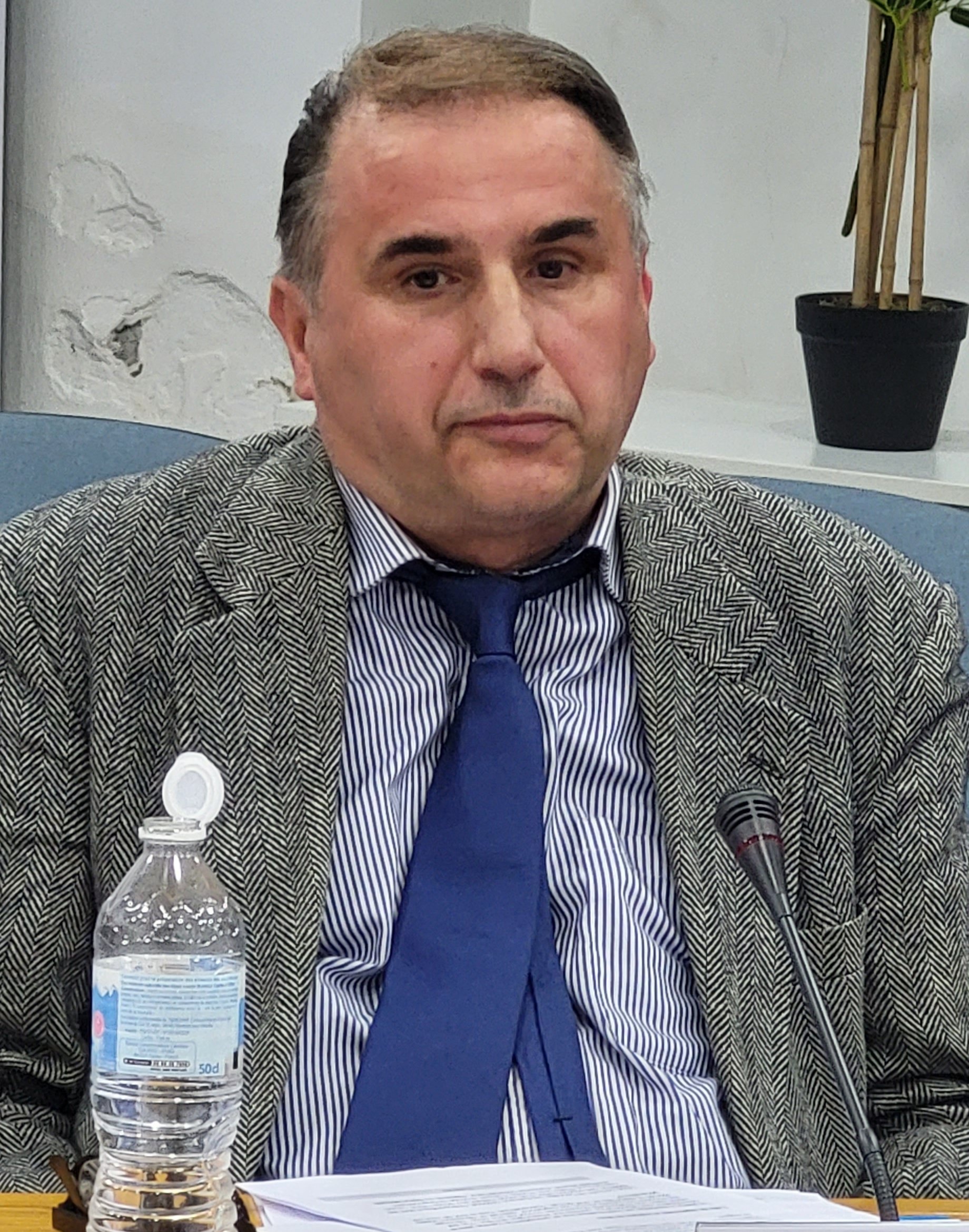
Author: Dr. Georges Jure VUJIC
Abstract
From Erasmus to Kant, via Grotius and the Abbot of Saint-Pierre with his “Project for Making Perpetual Peace in Europe,” the paradigm of perpetual peace was at the center of reflection on the nature of relations between peoples. Irenist thought has largely influenced Western liberal elites, who since the 1990s have believed they have banished all forms of conflict within the framework of an “end of history” philosophy, striving to believe in a global peace guaranteed by an order based on law and the stabilizing market, but also on the paradigm of the rational actor. However, the return of war to European soil, in Ukraine in 2022, demonstrated the incredulity of the West, which did not believe in this war because it seemed irrational. The same “sleepwalking” attitude affected certain pacifists in 1914, just before the Great War. However, we forget that there is a “politico-military rationality of war,” which is completely distinct from that of peacetime. With the return of a world order based on the balance of power and geopolitical rivalry between neo-imperial powers (China-Russia-USA), the well-known formula of the French political scientist Raymond Aron (“Impossible peace, improbable war”) to describe international relations during the Cold War could be applied today in the form of an “increasingly certain war, and distant peace,” while the world order seems threatened by growing strategic uncertainty and the specter of a multidimensional and permanent war.
Keywords: Perpetual peace, Europe, Immanuel Kant, Irenism, West, Liberal elites, End of History, Global peace, War in Ukraine, Pacifism, World order, Neo-imperial powers, Balance of power, China, Russia, United States, Strategic uncertainty, Multidimensional war, Permanent war
Leave a comment